• Local operator
  • Wildlife friendly
  • Certified guides
  • Easy booking
  • English and Spanish

Wildlife

Discover

La Ventana, in Baja California Sur, lies within one of the most diverse marine regions in the Gulf of California.

Its waters support an extraordinary range of species, from small reef fish to large cetaceans and ocean predators. Throughout the year, visitors may encounter orcas, dolphins, whales, mobulas, sea turtles, sea lions, and several shark species, together with a rich variety of coastal and pelagic fish. Their presence changes with the season, water temperature, currents, and food availability.

The waters around La Ventana belong to the rich ecosystem of the Gulf of California, a region renowned for its exceptional diversity of marine life.

Coastal, pelagic, and migratory species meet here. At different times of year, large schools of mobulas, feeding orcas, traveling dolphin pods, migrating whales, sea turtles, and sea lions may appear. Several shark species also inhabit the region, along with fish ranging from snappers and groupers to jacks, mahi-mahi, and tuna.

This diversity is closely linked to ocean currents, productivity, and the abundance of food. Some species remain in the region for much of the year, while others appear only during specific seasons.

All wildlife is completely free, so encounters can never be guaranteed. That unpredictability is part of the experience: every day at sea can reveal something different.
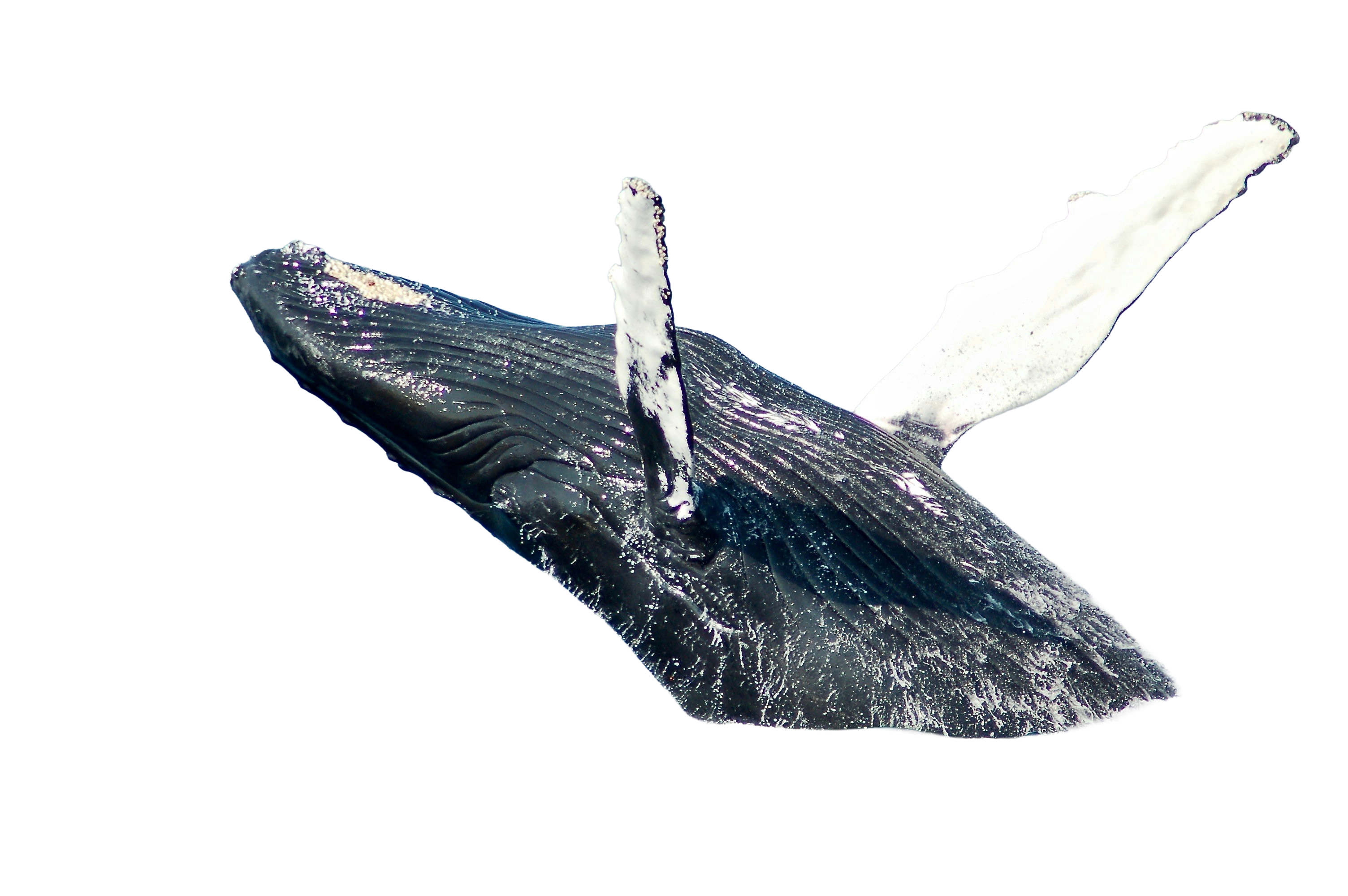
Humpback whale surfacing

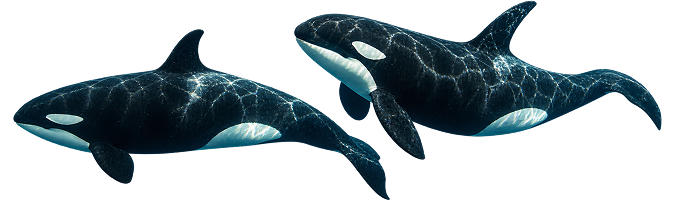
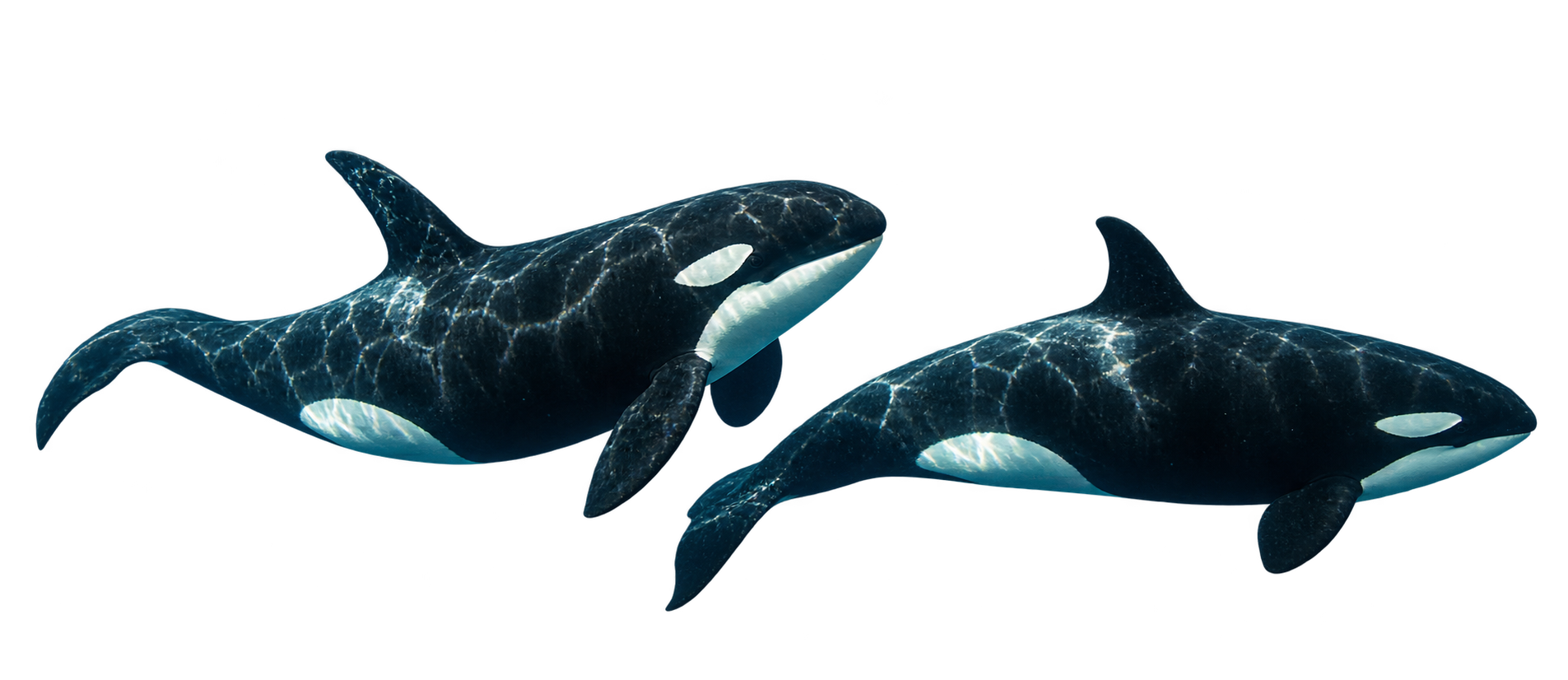
Orcas

(Orcinus orca)

The orca is the largest member of the dolphin family and one of the ocean's top predators. It is recognized by its distinctive black-and-white pattern and tall dorsal fin, which can reach almost two meters in adult males.

Orcas are highly intelligent and social animals. They live in family groups and use different hunting techniques depending on the region and available prey. In the Gulf of California, they may feed on fish, rays, marine mammals, and other species.

Orcas may be seen in La Ventana at different times of year, although their appearances are unpredictable. During spring and early summer, they may coincide with large aggregations of mobulas, one of their known prey species in this region.

Two orcas swimming underwater
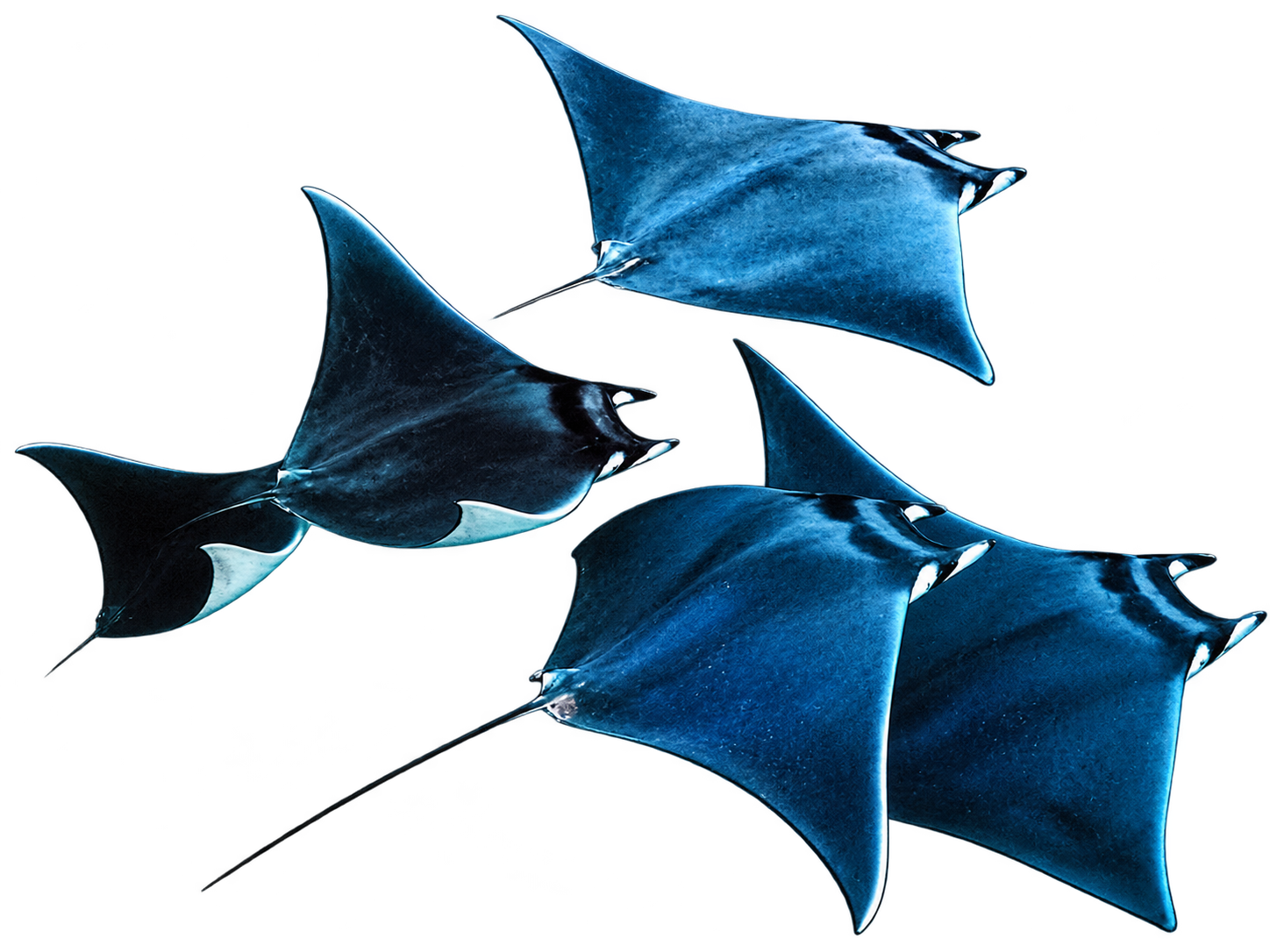
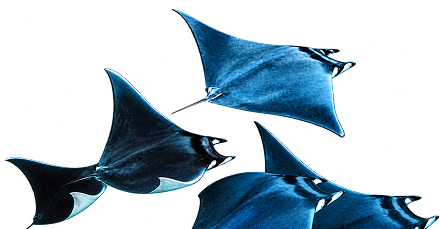
A school of mobulas swimming

Mobulas

(Mobula munkiana, Mobula mobular, and Mobula thurstoni)

Mobulas are oceanic rays known for their broad pectoral fins, which carry them through the water with a motion similar to a bird in flight. The La Ventana area is especially important for species such as Mobula munkiana, Mobula mobular, and Mobula thurstoni. During spring and summer, they may gather in groups of dozens, hundreds, or even thousands.

One of their most spectacular behaviors occurs when they leap completely out of the water. The reasons for these jumps are still being studied, but they may relate to communication, courtship, or parasite removal.

The waters of La Ventana also provide an important feeding and breeding area for these species.

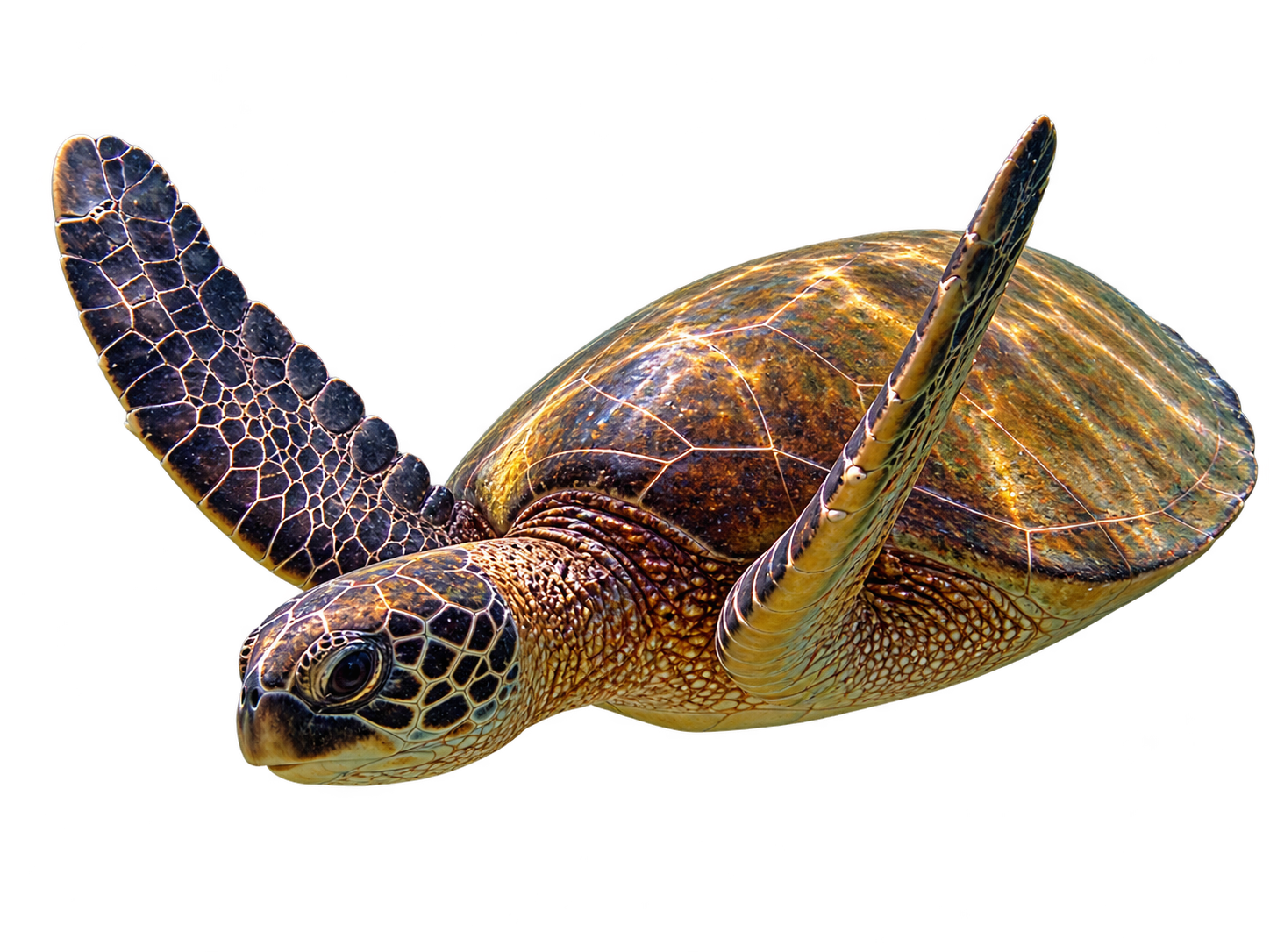
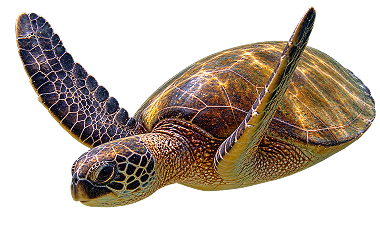
Sea turtles

(Chelonia mydas, Lepidochelys olivacea, Eretmochelys imbricata)

Sea turtles are reptiles that have inhabited the oceans for more than 100 million years. Although they spend almost their entire lives at sea, females return to land to lay their eggs on sandy beaches.

Several species can be found in the Gulf of California, including the green or black sea turtle (Chelonia mydas), the olive ridley (Lepidochelys olivacea), and, less frequently, the hawksbill turtle (Eretmochelys imbricata).

Depending on their species and life stage, they may feed on algae, seagrass, jellyfish, crustaceans, and other small organisms.

Watching a turtle rest near the surface or feed around rocky areas is one of the most peaceful and memorable encounters on a marine safari.

Sea turtle swimming
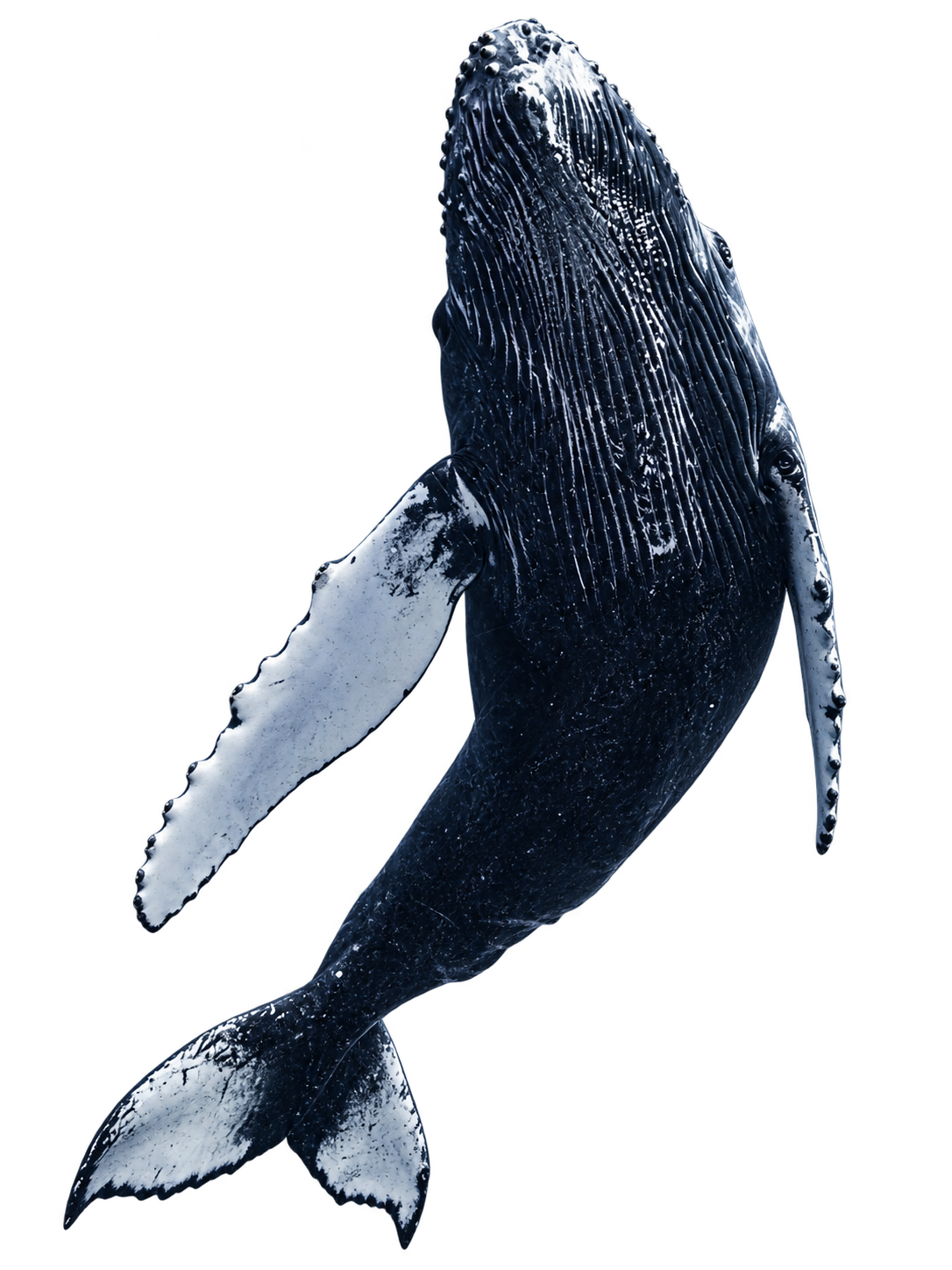
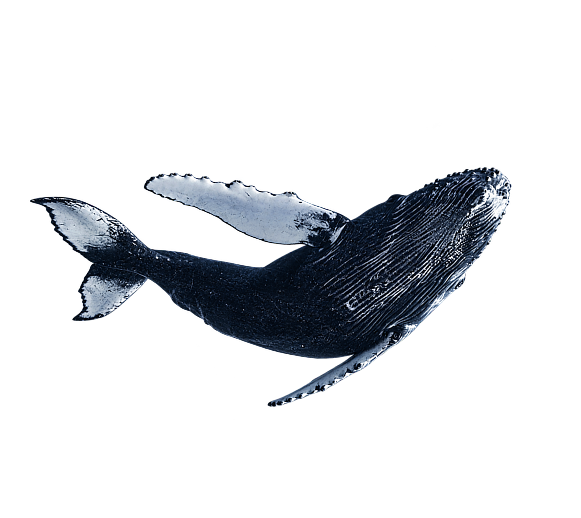
Humpback whale swimming

Whales

(Megaptera novaeangliae, Balaenoptera musculus, Balaenoptera physalus, Balaenoptera edeni)

Different species of large cetaceans use the Gulf of California as a feeding, migration, and breeding area.

Species found in the region include the humpback whale (Megaptera novaeangliae), blue whale (Balaenoptera musculus), fin whale (Balaenoptera physalus), and Bryde's whale (Balaenoptera edeni).

The blue whale is the largest animal known in the history of the planet, while humpback whales are famous for their breaches, songs, and movements of their long pectoral fins.

Many of these species travel enormous distances during their annual migrations.

Their presence in La Ventana depends on the season, food availability, and ocean conditions.

Sea lions

(Zalophus californianus)

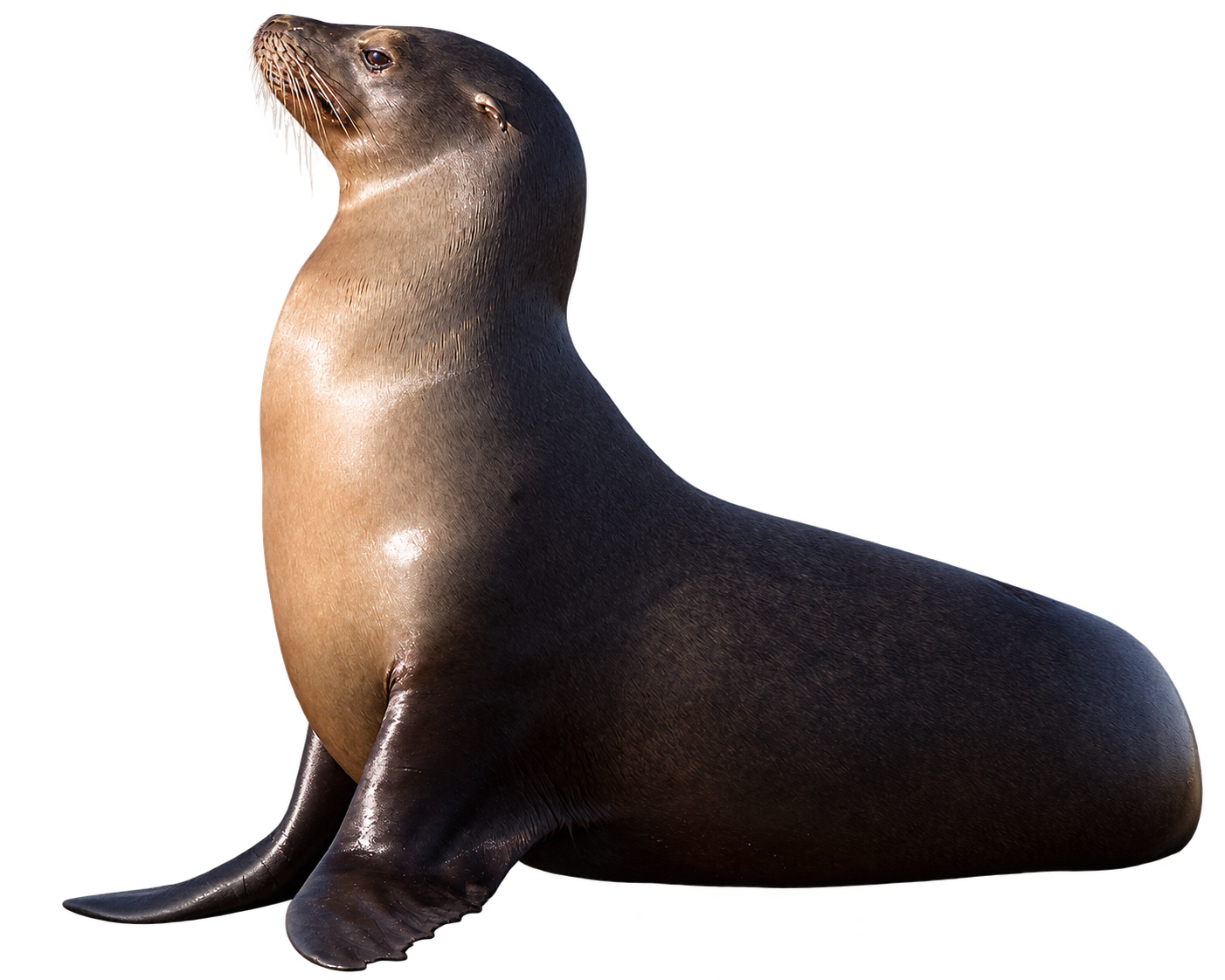
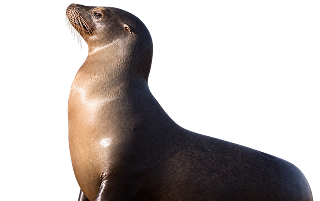
The California sea lion is one of the most characteristic marine mammals of the Gulf of California.

It is an excellent swimmer and uses its powerful flippers to chase fish and squid underwater. Unlike seals, sea lions have small external ears and can rotate their hind flippers to move more easily over rocks.

They are social animals that often rest along rocky coasts, islands, and islets in groups known as colonies.

At sea, they may be seen swimming, resting at the surface, or searching for food around schools of fish.

California sea lion
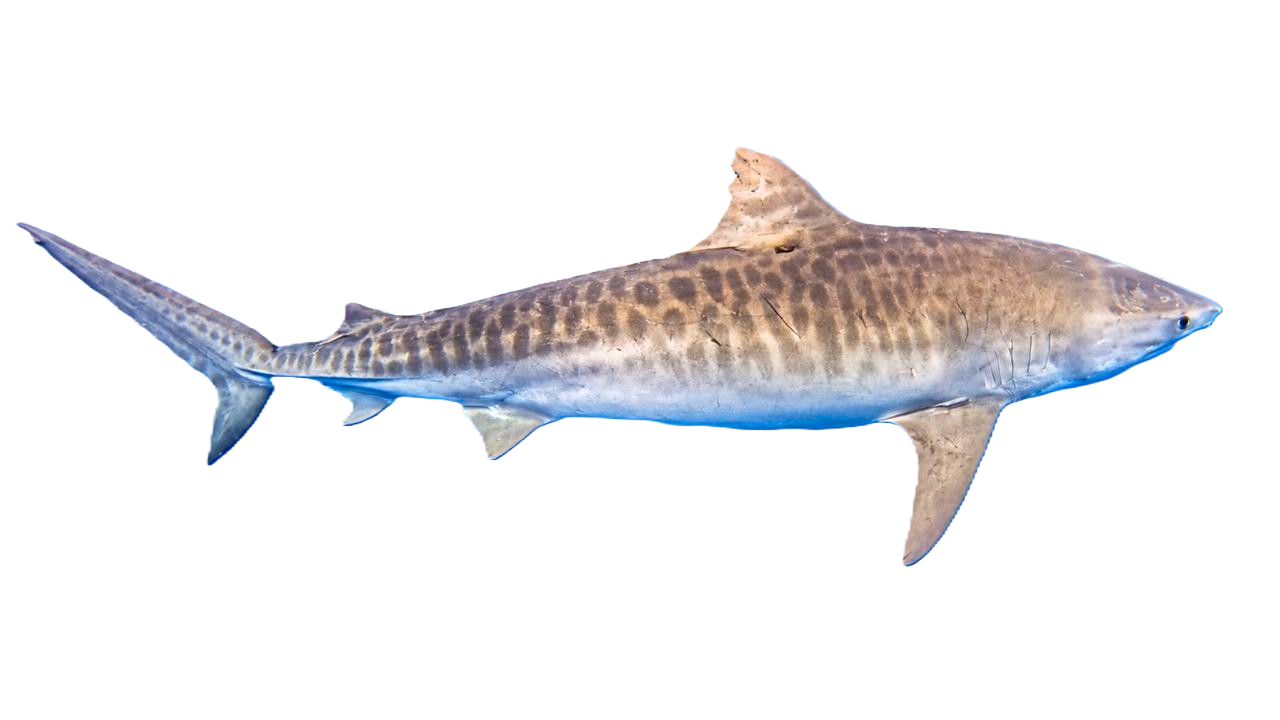
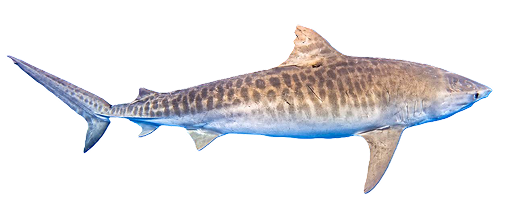
Shark swimming

Sharks

(Sphyrna lewini, Sphyrna zygaena, Carcharhinus leucas, Carcharhinus limbatus, Carcharhinus falciformis, Isurus oxyrinchus, Rhincodon typus)

Sharks have inhabited the oceans for more than 400 million years and represent one of the planet's oldest and most specialized groups of fish.

The southern Gulf of California may host several species, including hammerhead sharks, silky sharks, makos, and occasional whale sharks.

Each species plays a different role in the ecosystem. Some are predators that help maintain the balance of marine populations, while others, such as the whale shark, feed mainly by filtering small organisms from the water.

Despite their reputation, most species avoid contact with people.

Encountering a shark during a marine safari is usually uncommon and especially exciting.

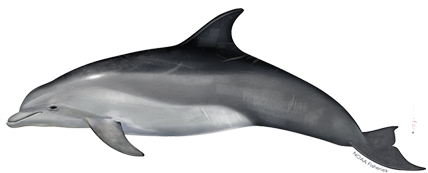
Dolphins

(Tursiops truncatus, Delphinus delphis)

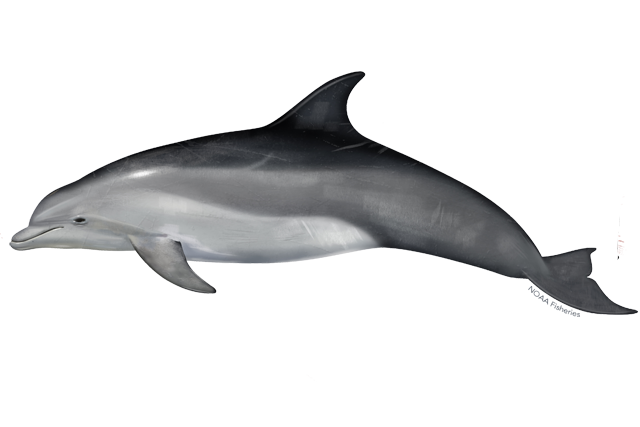
Dolphins are intelligent, social marine mammals that communicate through whistles, clicks, and body movements.

Bottlenose dolphins (Tursiops truncatus) and common dolphins (Delphinus delphis) are among the species that may be encountered around La Ventana.

They often travel in pods and may work together to locate and capture schools of fish. Their speed and curiosity sometimes bring them close to boats, where they ride the pressure wave near the bow.

Their presence varies with food availability and ocean conditions, making every encounter in the wild unique.

Bottlenose dolphin swimming

Wildlife seasons

Wildlife seasons
GroupSpecies especially relevant in La VentanaApproximate best periodReasonable chance of encounter
OrcasOrcinus orcaMay–July, especially JuneVariable / unpredictable
MobulasMobula munkiana, M. mobular, M. thurstoniMarch–August; peak in May–JuneVery good in season
Sea turtlesGreen/black, olive ridley; occasional hawksbillPossible through much of the yearModerate
WhalesHumpback, blue, fin, Bryde's, sperm whaleMainly winter–spring; varies by speciesModerate in season
Sea lionsZalophus californianusYear-roundModerate
SharksHammerhead, silky, mako, whale shark, and othersHighly dependent on species and conditionsVariable
DolphinsBottlenose, common, and other oceanic speciesYear-roundRelatively frequent
FishJacks, snappers, groupers, mahi-mahi, tuna, reef fish, and othersYear-round, with strong seasonality among pelagic speciesHigh